This Integrated Report covers the financial year from 1 April 2025 to 31 March 2026 and includes material information up to Board approval on 29 July 2026. It presents the IDC and its consolidated subsidiaries, consistent with the annual financial statements.

Our Suite of Reports

The Corporation continues to deepen transparency through our integrated reports.

Annual Financial Statements

Audited in accordance with IFRS, showcasing financial resilience.

Integrated Report

A comprehensive view of strategy, impact, risk and performance.

Additional online information

A detailed view of IDC’s human capital and partnerships.

Sustainability Report

Our ESRG journey provides a comprehensive overview of IDC’s ESRG programme and its related performance, as guided by various frameworks.

Trade-Offs

In executing its mandate, the IDC makes deliberate trade-offs to balance development impact

Annual Results Powerpoint presentation

A comprehensive report of the IDC’s 2026 Annual Results.

Sustainable Bond Framework booklet

This Sustainability Bond Report of the Industrial Development Corporation (IDC).

IDC Results Announcement 2026

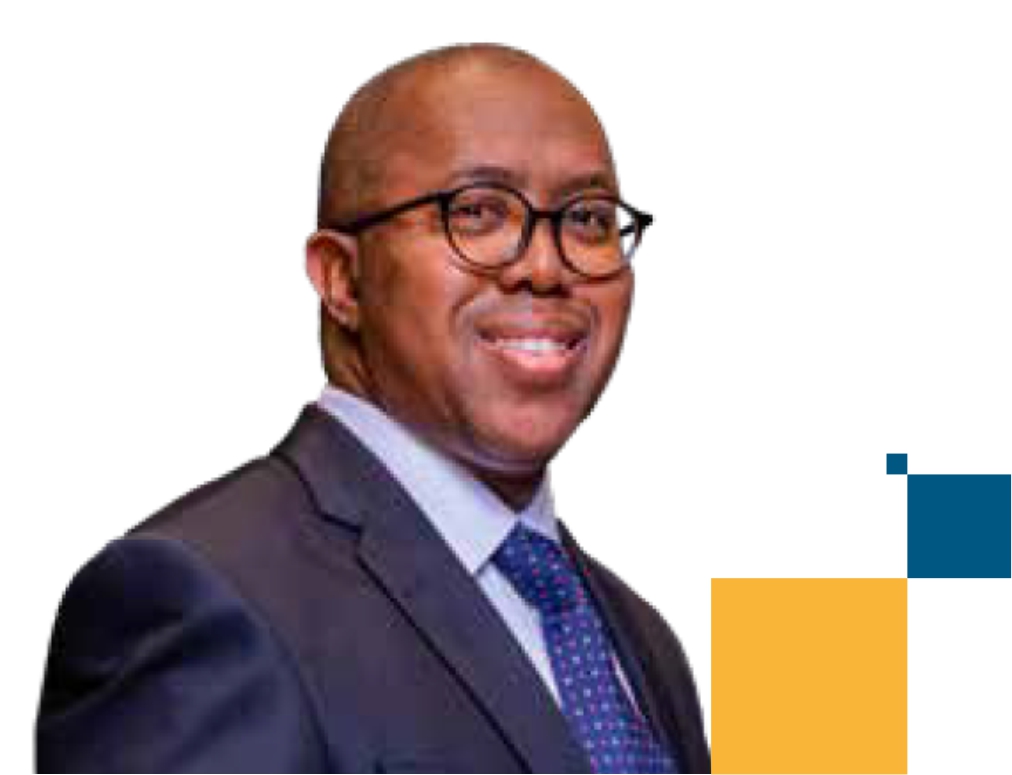
It is a privilege to present my first report as Chairman of the IDC. In a year that tested economies and institutions alike, the IDC, now in its ninth decade of service to South Africa’s industrialisation, remained anchored to its founding purpose to build industrial capacity, create jobs and advance inclusive, sustainable development.

Chairman of the Board, Ms Gloria Serobe

Since its inception, the IDC has been a proud corporate citizen. Wholly owned by the South African government, the Corporation’s priorities and activities are governed primarily by the IDC Act and further aligned with targets set out in the National Development Plan (NDP), Medium Term Development Plan (MTDP) and industry masterplans. The Corporation ensures its long-term sustainability through prudent financial and human capital management, balancing this with respect for the natural environment and positioning itself as a forerunner in development finance in South Africa and the rest of Africa.

It is an honour to lead the Industrial Development Corporation at a time when its industrial development mandate remains as relevant as it was when the Corporation was established more than 85 years ago. The context has changed, but the purpose has not: to support industrialisation, localisation, transformation and job creation, and to strengthen the resilience and competitiveness of the South African economy.

Chief Executive Officer, Mmakgoshi Lekhethe

The Group’s financial performance for FY2025/26 reflects the impact of constrained operating environment, while demonstrating continued capacity to preserve value and support developmental outcomes. Notwithstanding the prevailing operating challenges, the Group maintained financial resilience supported by growth in total assets, and continued to deploy capital in support of industrial development, job creation and inclusive growth.

Chief Financial Officer, Isaac Malevu

FUNDING APPROVED
R 0.1 bn

↑ from R13.3bn (12%)

funding disbursed
R 0.1 bn

↑ from R16.3bn (4.3%)

Net profit (Company)
R 0.1 bn

↑ from R1.8bn (27.8%)

Total assets (Company)
R 0.1 bn

↑ from R154.2bn (8.2%)

Total funding disbursed for transformation
R 0.1 bn

↓ from R3.8bn (7.9%)

Jobs expected to be created through funds committed
0.1

↑ from 15 732 (352.8%)

Since its inception, the IDC has been a proud corporate citizen. Wholly owned by the South African government, the Corporation’s priorities and activities are governed primarily by the IDC Act and further aligned with targets set out in the National Development Plan (NDP), Medium Term Development Plan (MTDP) and industry masterplans.

Recognition of Excellence

The IDC’s commitment to transparency and quality reporting was once again acknowledged at the 2024 Chartered Governance Institute of Southern Africa (CGISA) Awards, where it earned top honours in the State-Owned Enterprise category for its Integrated Report — a testament to its standard of governance and accountability.

STRATEGIC PRIORITIES

Through these priorities, the IDC aims to shape new industries, crowd in private capital and deliver measurable gains in employment, industrial renewal and inclusive prosperity.

Strategic priorities

WHAT IT MEANS

Catalytic industrialisation and future sectors

Concentrating resources on competitive, job-rich value chains: critical minerals and battery manufacturing, green industries, digital infrastructure, agro-processing and the blue economy.

Transformative and inclusive industrial growth

Scaling broad-based transformation by expanding productive capacity for black-owned, women-owned and youth-owned enterprises, and driving spatial inclusion.

A partnership-led operating model

Mobilising blended finance, co-investing with the private sector and DFIs, and convening alliances across the state, academia and global institutions.

Regional industrial integration

Advancing a consolidated Rest of Africa strategy centred on regional value-chain integration, leveraging the AfCFTA to grow exports and build resilience.

Financial sustainability and portfolio management

Maintaining disciplined capital allocation, responsible borrowing and stronger portfolio management to secure long-term sustainability while amplifying impact through external
funding.

Organisational excellence and capability building

Investing in digital transformation (including Microsoft Dynamics 365), a high-performance culture and future-ready skills to build a more agile, capable and client-centric institution.

Refining Strategy, Unlocking Opportunity

As global and domestic challenges evolve, so too does the IDC’s strategy. In 2024/25, the organisation sharpened its focus on value-chain development, deepened its commitment to industrial diversification and recommitted to transformation at scale.

Five core priorities shape IDC’s strategic outlook:

01

Deepening industrial development and localisation.

02

Advancing transformation and inclusive participation.

03

Growing SMMEs and township economies.

04

Maintaining financial sustainability.

05

Building a high-performance, future-ready organisation.
These priorities are aligned with the National Development Plan, Medium-Term Development Plan, and SDGs — ensuring the IDC plays a catalytic role in shaping an inclusive, green and globally connected economy.

CLOTHING, TEXTILES, FOOTWEAR AND LEATHER

We sustained support to this labour-intensive sector despite import penetration and weak domestic demand, strengthening integrated production, upstream cotton spinning and fabric capacity, and turnaround support.

MACHINERY, EQUIPMENT AND ELECTRONICS

SMT Scharf Africa (Pty) Ltd manufactures underground mining transport systems and forms part of the globally listed SMT Scharf Group, leading the group’s development and  commercialisation of battery-electric mining equipment.

DIGITAL ECONOMY

The IDC is repositioning from episodic participation to deliberate system-shaping intervention, recognising that the digital economy is now a foundational layer of industrial activity rather than a standalone sector.

RENEWABLE ENERGY

Funding rose to approximately R2.3 billion (disbursements
approximately R1.7 billion), supporting roughly 769 jobs.

The Rest of Africa portfolio is spread across 16 countries, primarily in Southern (R5.4 billion), East (R2.8 billion) and West Africa (R1.9 billion). Flagship assets include infrastructure and mining operations in Mozambique, Ghana, Uganda and the DRC. IDC holds four investments in the rest of the world (R0.7 billion). Investments in the rest of the world are in global holding company head offices – all IDC’s underlying investments are on the African continent.

Pathway 1

Diversification and jobs rich industrialisation

Pathway 2

Catalysing low carbon and green growth

Pathway 3

Resilience to economic and physical climate risks

Pathway 4

Regional value chains

ENABLER 1

Economic enablers including sustainable industrial infrastructure, water and energy.

ENABLER 2

  • Ecosystem approach to optimise competitiveness, linkages and inclusion
  • Industry planning
  • SME linkages
  • Broad based empowerment
  • ESRG and impact programme.